

AI-Native Software
Engineering & Agentic
SDLC Services
Engineering Software
for an AI-Driven World
AI-native software engineering is a software delivery approach in which AI participates across both the product architecture and the engineering lifecycle.
At the product level, AI may power agents, enterprise search, recommendations, intelligent workflows and decision support.
At the engineering level, AI can assist teams with requirements, architecture, coding, testing, documentation, modernization, security analysis, deployment and operations.
The important difference is control.
AI-native engineering combines AI automation with specifications, engineering standards, testing, security controls, observability and human verification so generated work can move safely toward production.
AI as a Force Multiplier
AI accelerates research, design, code, test and operations.
Governed & Responsible
Policies, guardrails, approvals and auditability at every step.
Context is Everything
Quality outcomes come from rich engineering context and data.
Human Accountability
Engineers remain responsible for decisions and outcomes.
Better Software, Faster
Increase velocity without compromising quality.
Built for the Future
Create systems that are ready for continuous AI innovation.
AI-Native Engineering Has Two Sides
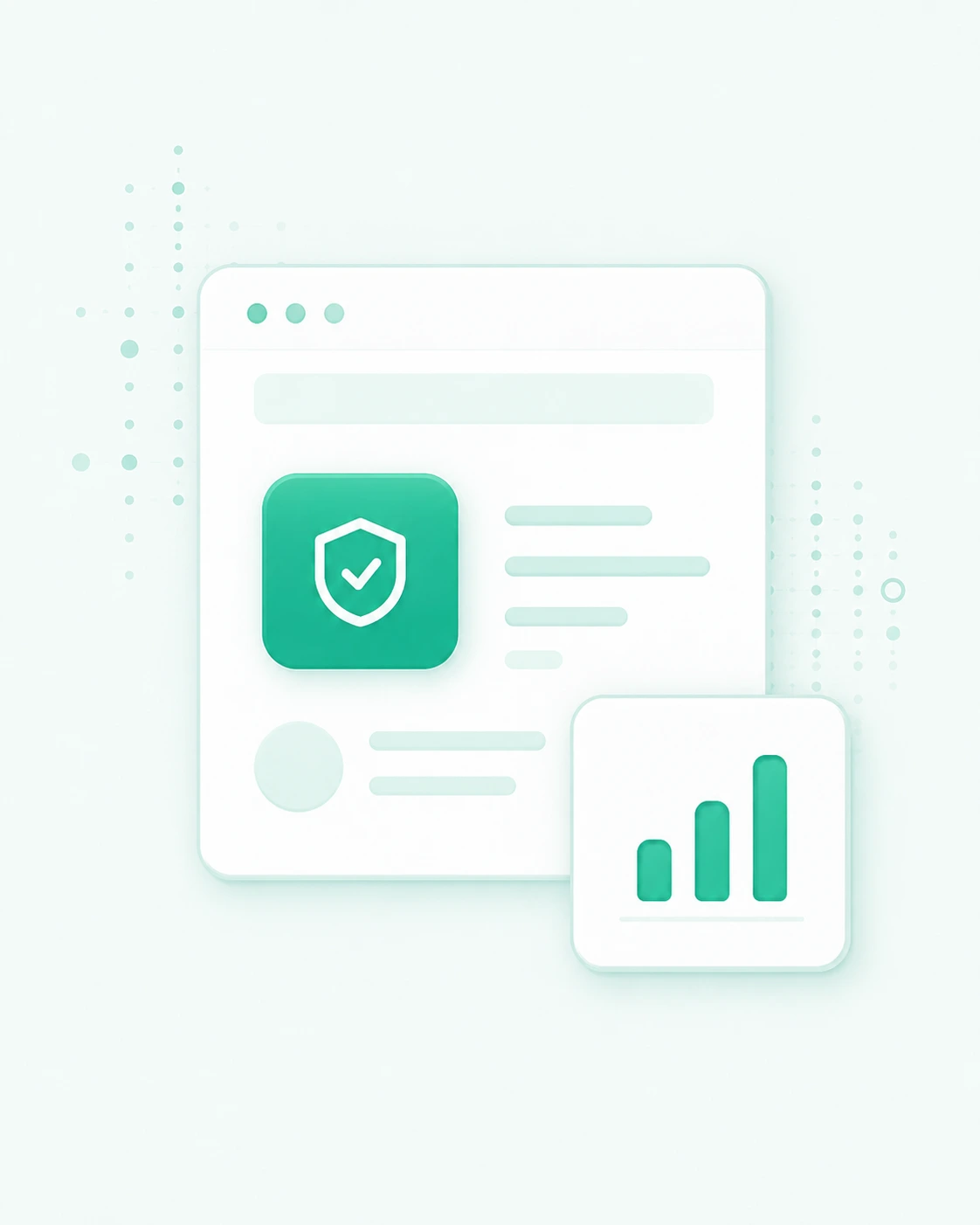
Build AI-Native Products
Create applications where intelligence is part of the user experience or operational workflow.
- AI agents
- Enterprise copilots
- RAG applications
- Intelligent SaaS products
- Recommendation systems
- Predictive applications
- Conversational interfaces
- Workflow automation
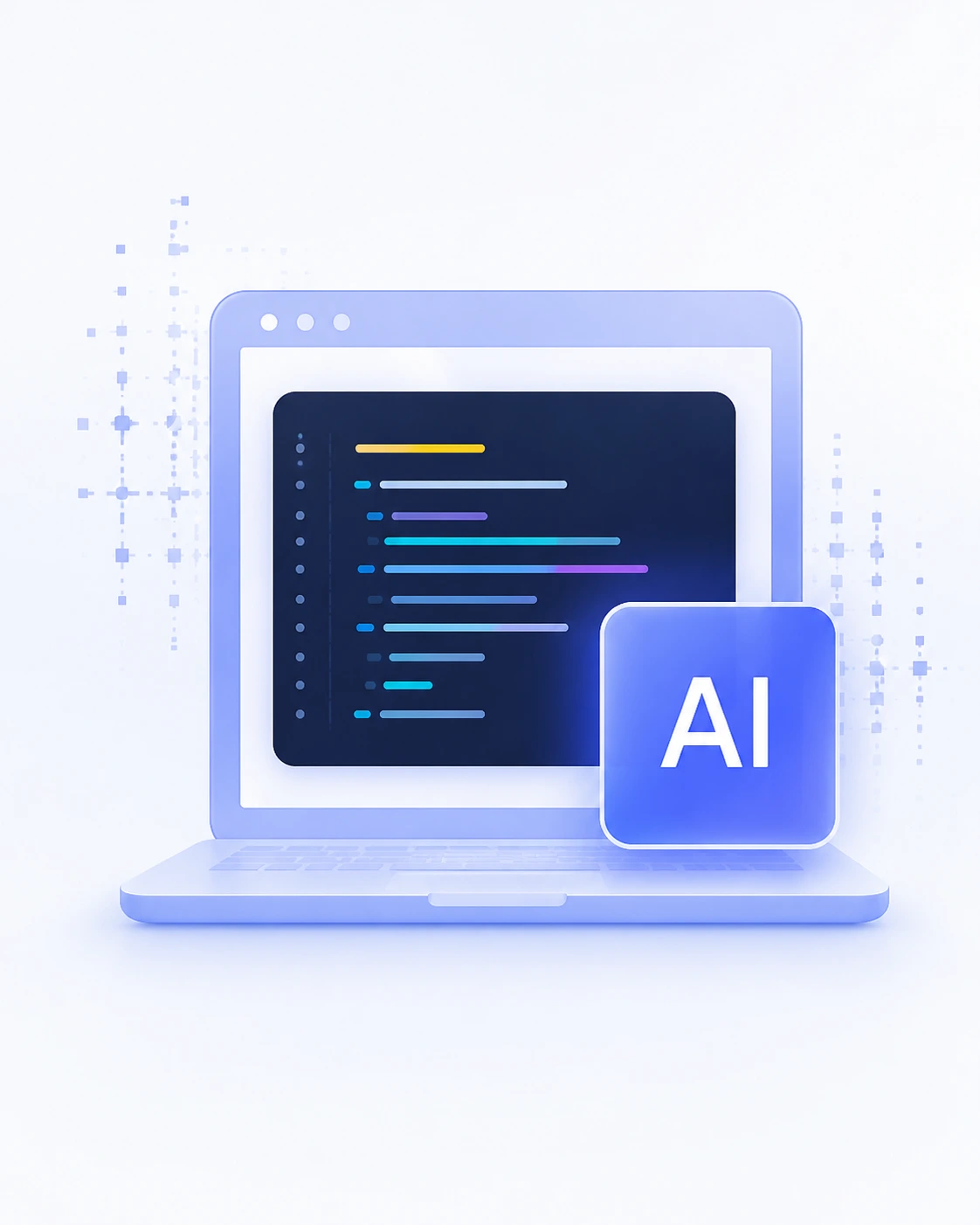
Build Software the AI-Native Way
Use governed AI-assisted and agentic workflows throughout software delivery.
- Product discovery
- Requirements analysis
- Architecture support
- Code generation
- Refactoring
- Automated testing
- Documentation
- Security analysis
- Legacy modernization
- DevOps automation
- Incident investigation
Mobiloitte supports both. That means we can help you build an AI-native product while also modernizing the engineering system used to deliver and operate it.
Move Beyond AI Coding Assistants
Giving developers an AI coding tool does not automatically create an AI-native engineering organization.
The largest gains come when AI can work with reliable engineering context, defined workflows and measurable quality gates.
AI-Assisted Development
AI supports individual tasks such as:
- Code completion
- Documentation
- Test generation
- Debugging
- Code explanation
Agentic Software Engineering
AI agents participate across connected engineering workflows.
Requirement → Technical Plan → Implementation → Test →
Review → Security Check → Release
AI-Native Engineering
Engineering practices, architecture, platforms, governance and team responsibilities are redesigned around productive human + AI collaboration.
The Architecture Behind Production AI-Native Software
Experience Layer
Web, mobile, SaaS, conversational, voice and employee interfaces.
Application Layer
APIs, business rules, authentication, permissions and transactional workflows.
Agent & Orchestration Layer
Reasoning, routing, tool selection, multi-agent coordination and workflow execution.
Knowledge & Data Layer
Enterprise documents, operational databases, vector stores, analytics and real-time context.
Model Layer
Commercial, open-source, specialized or custom models selected according to task requirements.
Integration Layer
CRM, ERP, HRMS, payments, communications, databases and external APIs.
Platform & Operations Layer
Cloud infrastructure, CI/CD, containers, monitoring, model gateways, MLOps and LLMOps.
Governance & Security Layer
Identity, permissions, logging, evaluation, policy controls, human oversight and incident handling.
Choose Models Around the Product—not the Other Way Around
Mobiloitte designs applications so the business logic is not unnecessarily tied to one model provider, ensuring maximum flexibility, cost-efficiency, and future-proofing.
Product & Business Logic Layer
Core application, user experience, and enterprise workflows
AI Gateway & Model Routing
Standardized API interfaces, fallback mechanisms, and context management
Commercial Models
GPT, Claude, Gemini
Open-Source & Local
Llama, Mistral, Private Deployments
Specialized Models
Embeddings, Vision, Custom ML
Connect AI With the Systems Where Work Actually Happens
AI-native applications become valuable when they can securely interact with business systems rather than operating as isolated chat interfaces.
Define What AI Can Do—and What Requires Human Judgment
AI-native does not mean removing humans from every workflow. We design explicit boundaries:
AI Can
Retrieve information, Summarize, Classify, Recommend, Draft, Detect patterns, Prepare actions, Execute approved low-risk tasks.
Human Review May Be Required For
Financial decisions, Healthcare decisions, Legal interpretation, Regulatory decisions, High-value transactions, Irreversible actions, Exceptional cases, Policy overrides.
System Controls
Confidence thresholds, Approval gates, Escalation, Role-based permissions, Audit logs, Kill switches, Fallback workflows.
AI Governance, Security & LLMOps
Operate AI Like Production Software. AI-native systems require continuous operational management and governance after launch.
AI Governance & Security
Identity & Access
Define which users, agents and systems can access specific data and actions.
Data Protection
Apply appropriate encryption, permissions, retention and data-handling controls.
Model Evaluation
Evaluate quality against representative workflows and business-specific acceptance criteria.
Prompt & Configuration Versioning
Track changes to important prompts, policies, model configurations and tools.
Agent Permissions
Restrict agents to approved tools, systems and operations.
Human Oversight
Route defined high-impact actions to authorized reviewers.
Logging & Traceability
Maintain relevant model, retrieval, tool and workflow logs.
AI Monitoring
Track quality, errors, latency, usage, cost and unusual behaviour.
Security Testing
Assess application, API, model, agent, retrieval and infrastructure risks according to scope.
Designed to support applicable organizational, contractual, privacy and regulatory requirements.
MLOps & LLMOps
Our AI-Native Engineering Process
From Product Idea to Production AI System
Business & Product Discovery
Define the business problem, target users, product goals and success criteria.
AI & Data Feasibility
Assess data, models, integrations, expected quality, risk and operational cost.
Architecture & Governance
Design application, AI, data, cloud, security and human-oversight architecture.
Prototype & Evaluation
Test the highest-risk assumptions before committing to full production development.
Product Engineering
Build frontend, backend, agents, RAG pipelines, APIs and platform capabilities.
Enterprise Integration
Connect AI workflows with approved business and data systems.
Production Readiness
Validate security, reliability, model quality, observability, fallback and operational support.
Launch, Monitor & Improve
Measure adoption, AI quality, business KPIs, infrastructure usage and product performance.
Technology Stack
AI Models
- GPT-family models

- Claude

- Gemini

- Llama
- Mistral
- Approved custom/private models
Web & Mobile
- React
- Next.js

- Angular
- Vue.js
- Swift

- Kotlin

- Flutter

- React Native

Backend & APIs
- Python
- FastAPI
- Node.js
- Django
- Go
- REST
- GraphQL

Data & Retrieval
- PostgreSQL

- MongoDB
- Redis
- Vector databases
- FAISS
- Milvus
- Pinecone
Cloud Infrastructure
- AWS
- Microsoft Azure
- Google Cloud

AI Operations
- Evaluation
- Observability
- Model gateways
- Prompt management
- LLMOps
- MLOps
AI-Native Engineering for Complex Industry Workflows
BFSI & Fintech
Fraud intelligence, lending support, document workflows, service copilots and governed financial AI.
Healthcare
Knowledge systems, operational automation, patient workflows and clinical-support applications with appropriate human oversight.
Retail & E-Commerce
Product discovery, personalization, commerce agents, inventory intelligence and customer-service AI.
Government & Smart Cities
Citizen-service platforms, knowledge assistants, urban intelligence and controlled government workflows.
Manufacturing & Supply Chain
Operational agents, predictive systems, document intelligence and connected industrial workflows.
Real Estate & Construction
Property intelligence, project-document systems, AI assistants and construction workflow automation.
Choose the Right Starting Point
AI-Native Discovery & Architecture
For organizations still defining the product, business case and architecture.
AI-Native MVP
For organizations ready to validate a focused product with real users.
Dedicated AI Product Team
For ongoing product development requiring product, AI, frontend, backend, QA and DevOps capability.
Enterprise AI Platform Program
For large applications requiring multiple integrations, security controls, environments and operating teams.
Managed AI Operations
For post-launch monitoring, model evaluation, LLMOps, platform maintenance and continuous product improvement.
What Determines AI-Native Software Development Cost?
Cost depends on Product scope, Number of user roles, Agent complexity, Model selection, RAG requirements, Data readiness, Number of enterprise integrations, Web/mobile requirements, Cloud architecture, Security requirements, Evaluation depth, Deployment model, Operational support.
Following discovery, Mobiloitte can provide a defined architecture, product scope, evaluation plan, phased timeline and commercial estimate.
Selected AI-Native Engineering Work
Why Choose Mobiloitte for AI-Native Software Engineering?
AI + Full-Stack Software Engineering
Build the complete software product rather than an isolated AI demonstration.
Architecture Before Model Selection
Define workflows, data, responsibilities and integration before choosing the final model stack.
Agentic AI & RAG Capability
Combine agents, retrieval and enterprise systems inside controlled workflows.
Cloud & Platform Engineering
Design deployment, CI/CD, observability and operational infrastructure alongside application development.
Security Integrated Into Delivery
Address application, API, data and AI-specific risks throughout the engineering lifecycle.
Model & Platform Flexibility
Select models and infrastructure according to quality, cost, privacy and deployment requirements.
Production Operations
Support evaluation, monitoring, cost visibility and continued improvement after launch.